

You can detect hidden cameras by inspecting objects like smoke detectors, clocks, or chargers for small lenses or unusual wires. Using infrared scanners or wireless detectors helps find both wired and wireless devices. Legally, check local privacy laws to determine if cameras were authorized, and avoid tampering before consulting authorities. If you find one, document its location and notify the owner or law enforcement to protect your rights. Understanding these basics will guide you through detection and legal considerations effectively.
Common Types of Hidden Cameras and Their Locations
Hidden cameras come in various forms and can be placed in numerous locations, making them challenging to spot. You might encounter surveillance equipment disguised as everyday objects like smoke detectors, clocks, or USB chargers.
These devices are designed to blend seamlessly into your environment, increasing the risk of privacy invasion without your knowledge. They can be hidden in public places, rental properties, or even private homes, often to monitor activities covertly.
Understanding the common types and typical locations of hidden cameras helps you stay vigilant and protect your personal freedom from unwanted surveillance and privacy intrusion.
Techniques for Spotting Hidden Cameras
Although spotting covert surveillance devices can be challenging, there are several practical techniques you can use to identify them.
Start by conducting thorough physical inspections of suspicious objects or areas, such as smoke detectors, clocks, or vents. Look for visual clues like small lenses, unusual wires, or tiny holes that might hide a camera.
Check for anything that seems out of place or inconsistent with the surroundings. Pay close attention to reflective surfaces, as camera lenses often catch light differently.
Using Technology to Detect Covert Devices
When you suspect covert devices may be present, using technology can greatly improve your chances of detection.
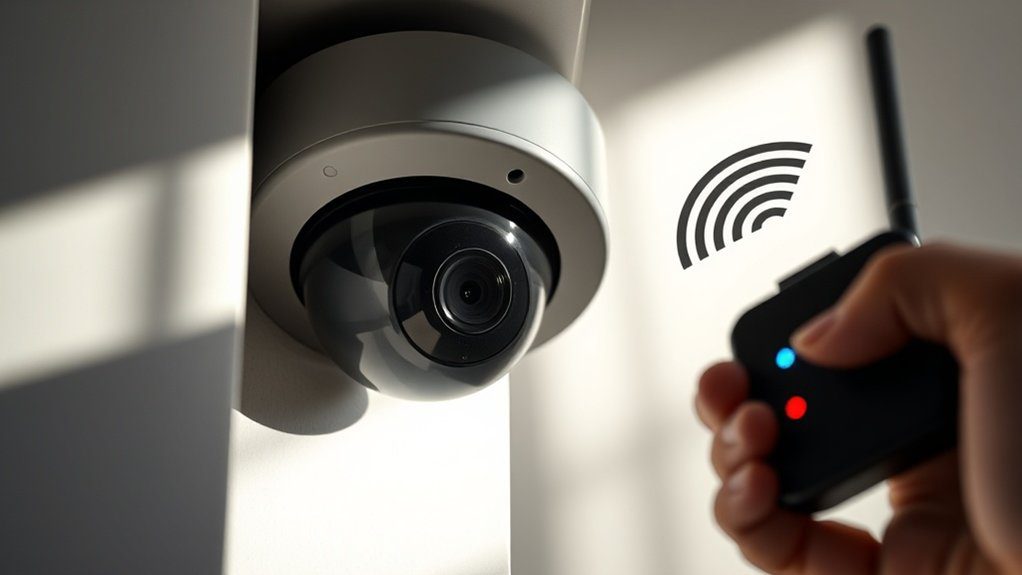
Infrared scanning helps you identify hidden cameras by detecting the heat emitted from their components, even in dark or concealed areas.
Wireless detection tools scan for radio frequencies that hidden cameras often use to transmit data, alerting you to nearby unauthorized devices.
Combining these methods lets you cover both wired and wireless threats effectively.
Legal Considerations When Discovering Hidden Cameras
What should you do once you discover a hidden camera on your property? First, understand the legal framework around privacy laws and consent requirements. These rules vary by location but generally prohibit unauthorized recording in private spaces.
Keep these points in mind:
- Verify if the camera violates any local or state privacy laws.
- Check whether consent was required and if it was obtained.
- Avoid tampering with the device before consulting legal advice.
Knowing your rights helps protect your freedom without breaching laws yourself. Staying informed about legal considerations guarantees you handle hidden cameras responsibly and lawfully.
Steps to Take if You Find a Hidden Camera
After understanding the legal aspects involved in discovering a hidden camera, you should focus on the practical steps to take next.
First, prioritize your safety precautions by avoiding tampering with the device. Document its location with photos or notes to support your privacy rights.
Next, notify the property owner or manager if appropriate, or contact law enforcement to report unauthorized surveillance. Preserve any evidence without disturbing it to guarantee proper investigation.
Finally, review your rights regarding privacy and surveillance laws in your area to stay informed and protect yourself effectively in future situations.
Frequently Asked Questions
Can Hidden Cameras Record Audio Without Consent?
No, you can’t legally record audio without consent in most places due to strict audio recording laws. You’ve got to respect consent requirements to protect freedom and privacy, so always get permission before capturing sound.
Are Nanny Cams Legal for Monitoring Babysitters?
You can use nanny cams legally to monitor babysitters, but you must follow nanny cam legality and monitoring guidelines carefully. Always inform caregivers about cameras to respect privacy and avoid legal trouble while protecting your freedom to guarantee your child’s safety.
How Often Should I Check for Hidden Cameras?
You should check for hidden cameras regularly, especially in new or private spaces. Using detecting methods like scanning for unusual devices helps protect your privacy concerns, ensuring you maintain freedom without unwanted surveillance.
Can Landlords Install Hidden Cameras in Rental Properties?
No, landlords can’t install hidden cameras where you expect privacy, like bedrooms or bathrooms. You should know your tenant privacy rights and legal guidelines protect your freedom—always stay informed and assert your boundaries confidently.
What Penalties Exist for Illegal Hidden Camera Use?
You’ll face criminal charges if caught using hidden cameras without consent, as it’s a serious privacy invasion. These penalties protect your freedom, ensuring your personal space stays respected and secure from illegal surveillance.